
Common Problems in Mask Machine Operation
Stable mask machine operation depends on the relationship between materials, machine settings, utilities, operators and routine maintenance. When a production line stops or finished masks become inconsistent, changing several settings at once can make the cause harder to identify. A better approach is to check the workflow from material feeding to finished product output, record what changed, and confirm one condition at a time.
This guide is for overseas buyers, factory managers and operators who need a practical mask machine troubleshooting process. It covers common operating symptoms without inventing model-specific capacity, repair time, certification or performance guarantees. Exact settings and limits must always be confirmed for the selected equipment, materials and production plan. Review the Mask Machine category and the Automatic Outer Ear Loop Mask Machine page for equipment context.
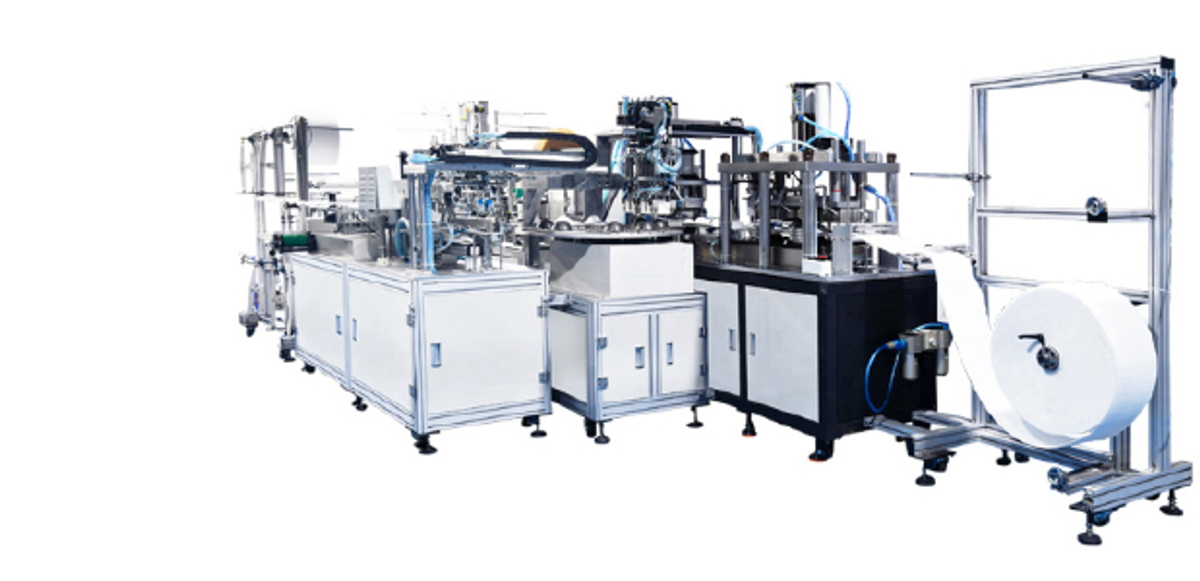
1. Unstable material feeding
Material feeding problems often appear as wrinkles, uneven layers, interruptions or changing mask dimensions. Check whether the roll is installed centrally, whether the material edge is aligned, and whether the unwinding path is clear. Spunbond, meltblown and other nonwoven layers may have different handling characteristics, so the selected nonwoven fabric should be confirmed against the machine process.
Inspect guide rollers, tension controls and material joints before changing speed. If the roll is damaged, telescoped or exposed to moisture, replacing the roll may be more effective than increasing tension. Record the material lot, roll width and the point in the process where instability starts.
2. Fabric tracking and tension problems
Fabric running to one side can result from uneven roll edges, guide alignment, roller contamination or excessive tension. Stop the line according to the equipment procedure, then inspect the web path from the unwinder to the forming or welding area. Do not pull the material by hand while moving parts are active.
A tension adjustment should be small and measured. Excessive tension can create stretching, edge deformation or breaks, while insufficient tension can cause folds and inaccurate positioning. Confirm that sensors and guide mechanisms are clean and correctly positioned before assuming that a control component has failed.
3. Unstable ultrasonic welding
Ultrasonic welding quality can change when the material stack, horn contact, pressure, alignment or operating setting is inconsistent. Symptoms include weak seams, visible marks, incomplete bonding or irregular sound during the cycle. Check whether the material is centered and whether welding surfaces are clean and free from scraps.
Do not adjust multiple welding parameters without recording the original condition. The correct setting depends on the product construction and selected machine configuration. If the problem continues after alignment and cleaning, the welding system should be inspected by qualified technical personnel rather than forced to run at a higher setting.
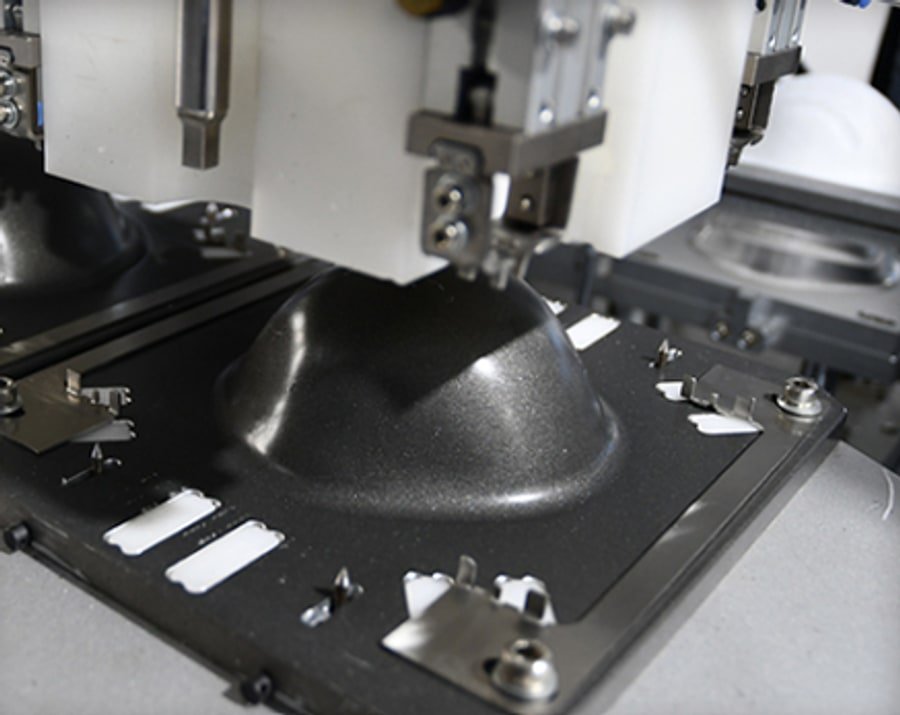
4. Earloop welding failures
Earloop failures may come from earloop material position, cut length, feeding stability, welding alignment or timing between the mask body and earloop station. Check whether the earloop material is supplied smoothly and whether the welding points are located consistently on the mask body. Compare left and right positions, seam appearance and pull resistance according to the buyer’s own quality criteria.
If only one side fails, compare the two welding stations and inspect guides, sensors and tool condition. If both sides fail after a material change, first confirm the material specification and feeding path before replacing machine parts.
5. Forming, folding and cutting abnormalities
For folding or shaped-mask equipment, abnormal forming can be related to material width, guide position, folding components, mold alignment or accumulated material dust. Check the first stable sample against the approved sample before increasing speed. A cutting issue may also be caused by incorrect registration or a worn cutting component, so record the symptom with the machine position and production stage.
Never reach into a forming or cutting area while the machine is energized. Follow the equipment lockout and restart procedure used by the factory, and ask the supplier for technical guidance when the cause is not visible from normal operator checks.
6. Counting errors and conveying problems
Counting errors can occur when sensors are blocked, product spacing changes, masks overlap or conveyor speed does not match the upstream process. Clean sensor surfaces, check the sensor position and observe whether products pass one at a time. Review the counter setting only after confirming the physical product flow.
If masks accumulate at a transfer point, inspect the conveyor belt, guide rails and receiving equipment. A downstream packing machine must be matched to actual product flow rather than an assumed nominal speed. Buyers planning a complete workflow can review the Automatic Mask Packing Machine page.
7. Machine stops and alarm troubleshooting
When an alarm appears, record the alarm message, time, operating stage and recent changes. Check material presence, emergency-stop status, guards, air supply, power supply and sensor indication. Clear only the cause that the operator is authorized to clear; repeated resets can hide an unresolved mechanical or electrical issue.
If the same alarm returns, stop repeated restarting and contact the supplier with photos, alarm text, machine model and operating context. A clear record helps the supplier support team distinguish a setup issue from a component or control issue.
8. Air supply, voltage and sensor checks
Many mask production lines depend on stable factory utilities. Before installation, confirm destination voltage, electrical protection, compressed-air arrangement and workshop conditions for the selected configuration. During operation, an unstable utility supply can look like a machine fault.
Sensor checks should begin with cleanliness, alignment and cable condition visible to the operator. Do not open electrical cabinets or change control parameters unless the responsible technician is authorized to do so. Ask the mask machine supplier for a utility checklist before shipment and confirm site-specific requirements in writing.
9. Daily cleaning and preventive maintenance
Daily care should include removing material scraps, dust and adhesive residue from accessible surfaces, checking guides and observing unusual noise or vibration. A maintenance log can record cleaning, lubrication where specified, sensor checks, tool condition and parts replaced. Preventive maintenance is easier when operators know which checks are daily, weekly or linked to running hours.
Use only cleaning methods and lubricants approved for the equipment. Do not spray liquid into electrical or ultrasonic components. Before maintenance, isolate energy sources and confirm that moving parts have stopped. The exact schedule should be confirmed for each automatic mask machine configuration.
10. Spare parts and after-sales support
A production project should identify wear parts, recommended spare parts, technical contact channels and the scope of remote or on-site support before order confirmation. Ask how part numbers are identified and whether the supplier can provide drawings, replacement instructions or troubleshooting records.
Keep a documented stock of parts that the supplier identifies as appropriate for the selected configuration. Avoid buying unverified substitutes solely because they look similar. Good support includes clear escalation steps, installation information and a way to review recurring operating problems.
11. When to contact the supplier or technician
Contact the supplier when an alarm repeats, a safety device behaves unexpectedly, welding quality cannot be stabilized through authorized checks, electrical components show damage, air or voltage conditions are unclear, or a machine change may affect the production line. Provide the model, symptom, material information, recent adjustments, sample photos and alarm records.
Operators should not bypass guards, safety switches, emergency stops or interlocks to continue production. Troubleshooting must remain within the factory’s training and authorization boundaries. If a condition could expose people to moving, electrical, pneumatic, thermal or ultrasonic hazards, stop and request qualified technical support.
Operation FAQ
What should be checked first when mask quality changes?
Start with material roll position, web tracking, tension, sensor condition and the process stage where the change begins. Compare a current sample with an approved sample and change one condition at a time.
Can operators solve every mask machine alarm?
No. Operators can perform authorized visual, cleaning and utility checks, but repeated alarms, electrical issues, safety devices and internal adjustments should be handled by qualified technicians or the supplier.
How can a factory prepare for stable operation?
Confirm the product, materials, utilities, workspace, operator training, maintenance responsibilities and acceptance checks before installation. A written checklist reduces misunderstandings between buyer and supplier.
What information should be sent to a supplier?
Send the machine model or target process, mask type, material details, target workflow, destination utilities, observed symptom, sample photos and any alarm message. This gives the supplier a practical basis for support.
Should a buyer evaluate the whole mask production line?
Yes. Material feeding, mask forming, welding, inspection, conveying and packing should be reviewed as one workflow. A complete line assessment can reveal interface risks that are not visible when machines are considered separately.
Contact LIAN for operating support
Send your mask machine operation questions, production workflow details and troubleshooting records to LIAN for practical review. LIAN Machinery supports buyers comparing an automatic mask machine, a mask production line or related equipment requirements.
Need Help Improving Mask Machine Operation?
Share your machine model, material information, operating symptom and production objective with LIAN Machinery for quotation and technical support.