
How to Choose Nonwoven Raw Materials
Choosing nonwoven raw materials is a production decision, not only a material purchase. The fabric affects feeding, forming, welding, folding, finished-mask feel, packing stability and the consistency of daily operation. For an overseas buyer, the right discussion with a nonwoven fabric supplier should connect the material with the mask design, machine configuration and planned production workflow.
This guide explains how to compare common nonwoven raw materials for mask production without assuming unverified test results, certifications, prices or supply capacity. Exact specifications must be confirmed against the selected material, machine model and final order scope. Buyers can start with the LIAN Machinery home page and the Nonwoven Fabrics category before preparing a quotation request.
1. What is the role of each common nonwoven material?
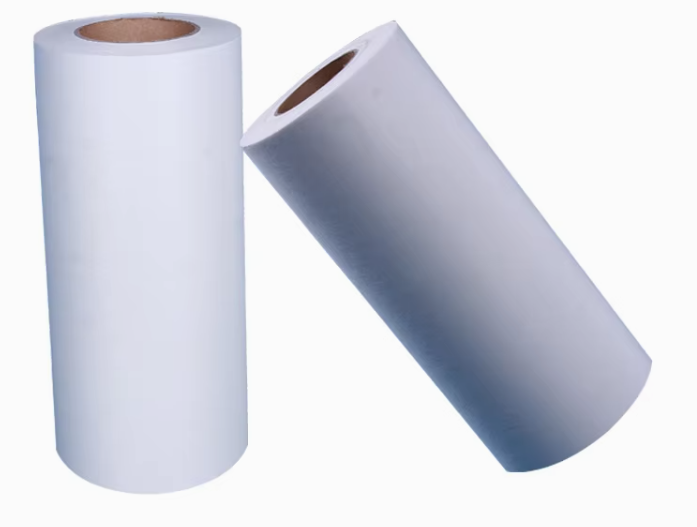
Spunbond nonwoven fabric is commonly considered for the outer or inner layer of disposable mask structures and for other protective, hygiene and packaging applications. Its value in a project is usually discussed through surface feel, strength, width, color, weight and how consistently it feeds into the next process. The exact layer position depends on the finished product design and buyer requirements.
Meltblown fabric is normally discussed as a key filter-layer material for mask production and other filtration applications. The buyer should confirm the required filtration specification through the appropriate technical documentation and testing process. It should not be selected only because the name appears on a catalog. Review the Meltblown Fabric product page and request the current specification before final approval.
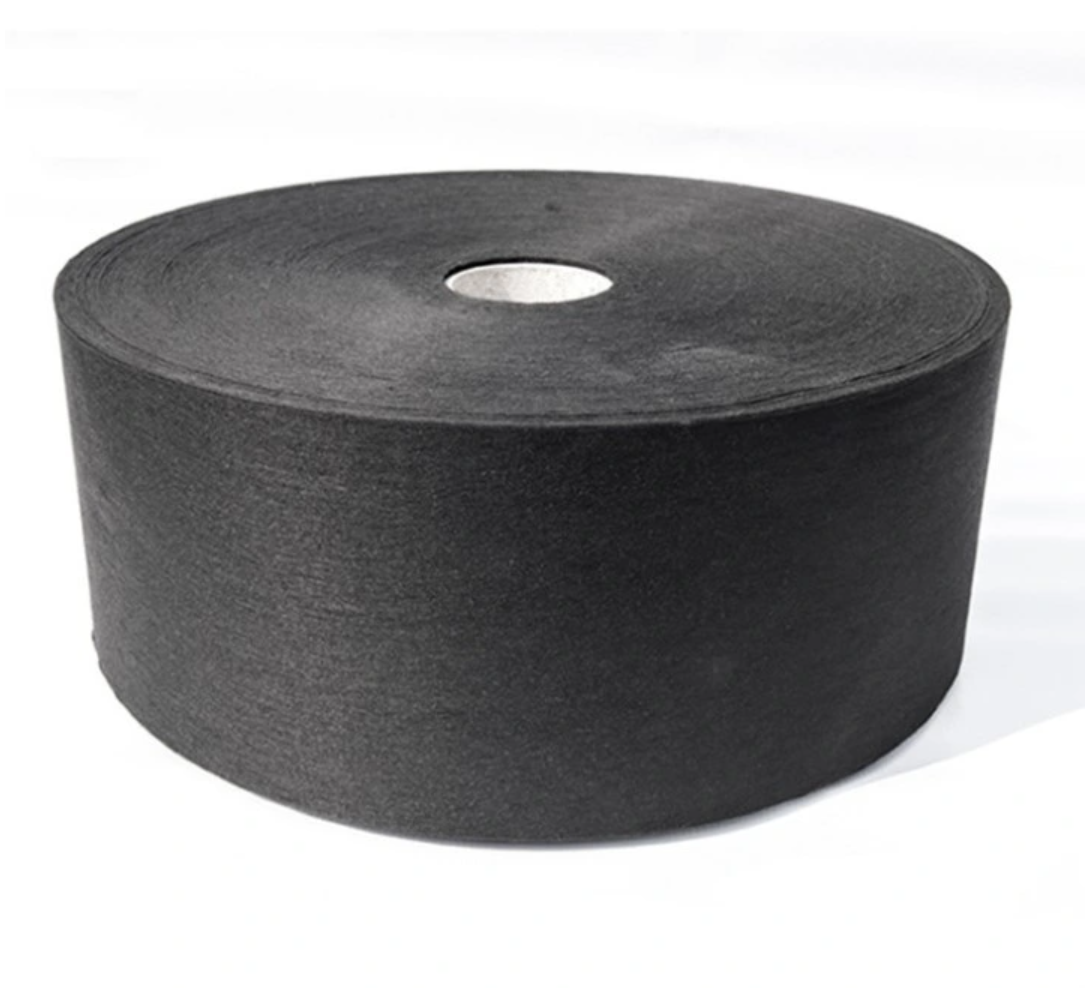
Hot Air Cotton is a soft nonwoven material used in selected hygiene, filtration or protective-material applications according to its construction and the finished product requirement. Activated Carbon Fabric is a specialized material that may be considered when a project requires carbon-containing filtration or odor-related material functions. These materials are not interchangeable by default. Application, thickness, handling behavior and final product requirements must be reviewed before production use.
2. How should inner, middle and outer layers be matched?
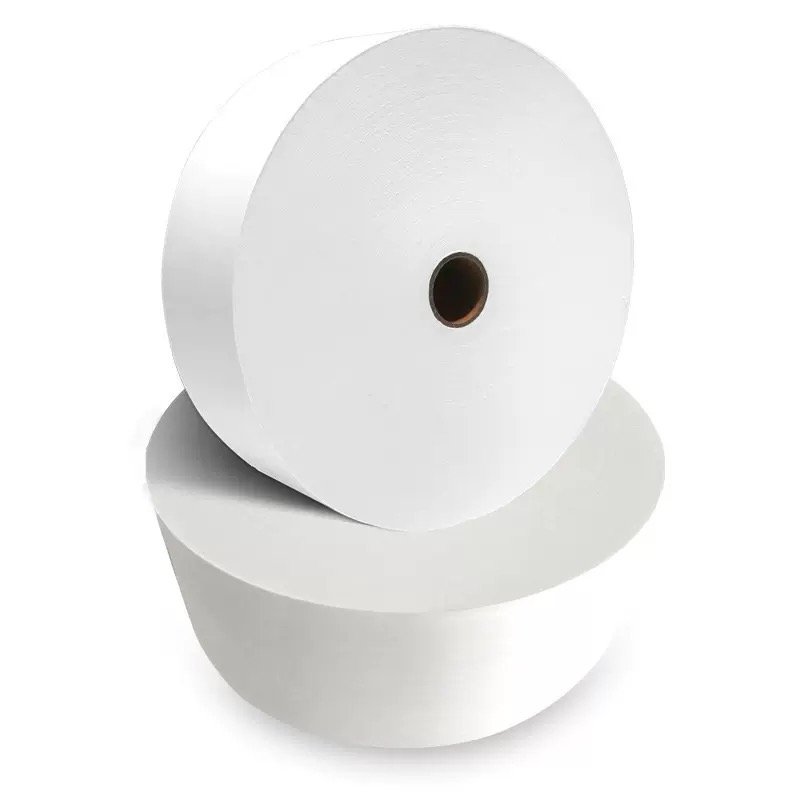
A disposable mask may contain an outer layer, a middle filtration layer and an inner layer, but the final structure varies by product type and buyer specification. Spunbond nonwoven fabric is often reviewed for the outside or skin-facing structure, while meltblown fabric is commonly reviewed for the filtration layer. The correct combination depends on the intended mask design, material characteristics, manufacturing process and any required technical validation.
Buyers should provide a clear layer description rather than asking for a generic “mask fabric.” State the intended position of each material, target color, approximate weight or weight range if already defined, width, roll format and any available sample. If the project uses a special material such as activated carbon fabric, explain the reason for using it and the required finished-product function. The supplier can then confirm whether the material is suitable for the intended process.
3. Which parameters affect production-line compatibility?
Weight and width are only part of the selection. Also confirm roll diameter, core size, winding direction, edge condition, packaging method and whether the roll can be loaded safely on the feeding system. A material can appear suitable on a sample table but create problems if the roll is unstable, the edge is uneven or the width does not match the machine’s feeding path.
Ask the nonwoven fabric supplier to state which information is confirmed and which items remain project dependent. The machine quotation should be reviewed together with the material details, especially when the line includes mask-body forming, ultrasonic welding, folding, cutting or packing. A clear material sheet helps the manufacturer identify feeding and process questions before the machine is built or shipped.
4. How do material choices affect welding and forming?
Welding performance depends on more than the ultrasonic unit. Material thickness, surface structure, layer combination, pressure, alignment, tooling condition and operating settings can all affect the finished joint. When a project includes ear-loop welding or other ultrasonic joining, send a sample or drawing and ask how the material will be evaluated during trial production.
Folding and forming equipment also needs a stable feed. A material that is too soft, too slippery, too stiff or inconsistent between rolls may require process adjustment. Do not assume that a supplier’s general description proves compatibility with every folding or welding line. Confirm the intended material through samples, trial running and the acceptance criteria agreed for the project.
5. What should buyers check about storage and transport?
Nonwoven raw materials should be protected from moisture, dirt, crushing and unnecessary exposure during storage and transport. Keep rolls in suitable packaging, away from direct water and conditions that may damage the material or packaging. The exact storage period and handling instruction should be confirmed from the supplier’s technical information, especially for materials intended for filtration or hygiene-related products.
For export purchasing, ask how the rolls will be packed, marked and loaded. Confirm the number of rolls, outer dimensions, packing materials, shipping marks and the documents required for the destination. Packaging should support safe handling without hiding damage that should be checked at receipt. Buyers should photograph the shipment condition and record any visible issue before opening or moving the material.
6. What information should be included in a quotation request?
A useful inquiry helps the supplier answer the real project instead of sending a general material list. Include the finished product, intended layer position, material name, required color, target weight or weight range, width, roll or packing preference, estimated quantity, destination country and expected application. If the buyer already has a sample, drawing, test requirement or production-line connection plan, attach it to the inquiry.
Also explain whether the material is for a new mask production line, a replacement supply or an existing machine. If a machine is already installed, provide the feeding width and relevant loading information from the equipment documentation. This reduces the risk of selecting a width or roll format that cannot be handled efficiently. The same information helps the supplier discuss mask production materials and possible downstream equipment connections.
7. How should samples, acceptance and batch consistency be managed?
Sample approval should be recorded in writing. Keep the approved material description, sample images, packing details and any confirmed specification together with the purchase order. When the first shipment arrives, compare the received material with the approved sample and documents, and record the roll condition, labeling and visible consistency.
Batch consistency should be discussed before repeat orders. Ask how the supplier identifies batches, how changes are communicated and which documents accompany shipment. Do not promise that every batch is identical unless the supplier has confirmed the relevant control method. For a production buyer, traceability, clear communication and a practical complaint process can be as important as the initial material price.
8. How should a supplier be evaluated?
A suitable supplier should answer technical questions clearly, identify unknown information honestly and provide material details that match the intended application. Evaluate communication, sample handling, documentation, packing practice, response speed and the ability to coordinate with machine or production-line requirements. A supplier that only repeats general keywords without checking the product and process may create more risk later.
LIAN Machinery can discuss mask machines, nonwoven fabrics and related mask production materials as part of a broader project review. Product information should still be confirmed for the selected model and material. Buyers should compare the technical response, sample result, packaging plan and commercial terms before making a final purchasing decision.
FAQ
Can spunbond and meltblown fabric be used for the same mask layer?
Not automatically. They have different typical roles and material characteristics. The buyer should define the layer structure and confirm suitability through the product requirement, sample review and technical documentation.
What information is most important when requesting a material quotation?
Provide material type, intended layer, color, target weight or range, width, roll format, quantity, destination and application. Add a sample or drawing when the mask design or process has special requirements.
Can the material be selected separately from the mask machine?
It can be reviewed separately, but final production planning should connect the material with feeding, forming, welding, folding, cutting and packing requirements. Machine and material compatibility should be confirmed before order confirmation.
Are filtration performance and certifications included automatically?
No. Test results, filtration claims and certifications must be confirmed from current, relevant documents. They should not be inferred from a material name or general product description.
What is the safest way to approve a new material?
Request a representative sample, confirm the intended specification, test or trial it under the planned process, and record the acceptance criteria before purchasing a larger quantity.
Contact CTA
Send your nonwoven raw materials requirements, target layer structure, width, weight, quantity and destination market to LIAN for quotation support. The Raw Materials category can also help buyers review related production materials before contacting the team.