
How to Maintain a Mask Making Machine
Regular maintenance helps a mask making machine operate more consistently and gives factory teams a clearer way to identify problems before they interrupt production. Maintenance is not limited to replacing worn parts. It also includes material preparation, cleaning, utility checks, operator records, approved settings and communication with the supplier.
This guide is for overseas equipment buyers, factory managers and operators. It explains practical mask machine maintenance points without inventing model-specific intervals, capacity, repair times, certifications or performance guarantees. The correct instructions must always follow the selected configuration and the supplier’s technical documentation. Buyers can also review the Mask Machine category and the เครื่องผลิตหน้ากากแบบคล้องหูด้านนอก (Automatic Outer Ear Loop Mask Machine) page when planning equipment.
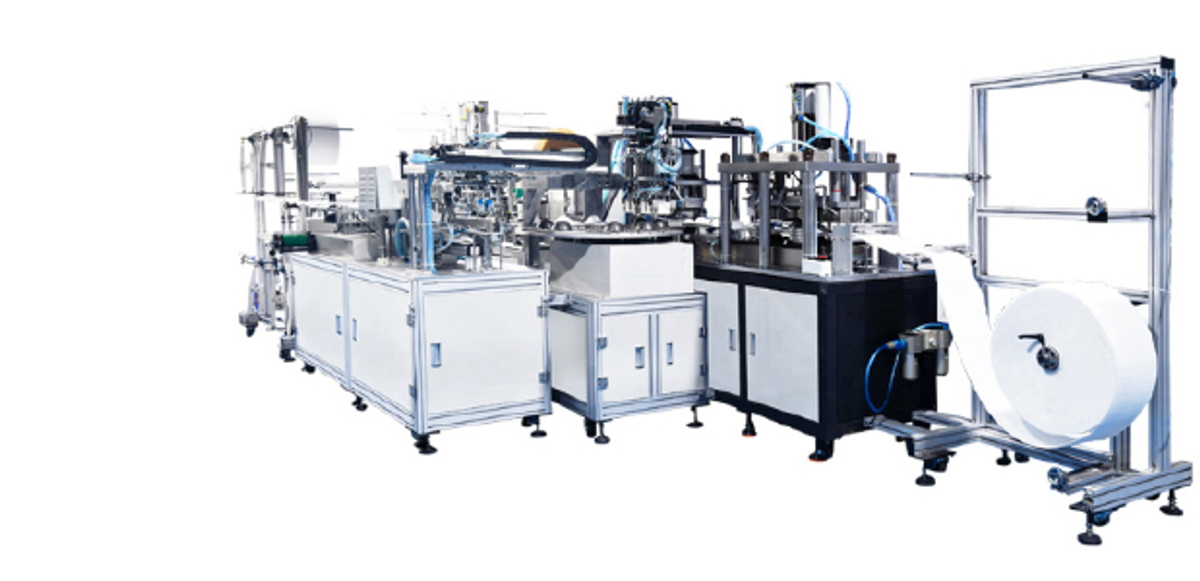
1. Start-of-shift inspection
Before starting an automatic mask machine, check the work area, guards, emergency-stop condition, visible cables, air lines and material path. Confirm that no tools, scraps or packaging materials are left near moving parts. Operators should review the previous shift record and note any alarm, unusual noise, vibration or temporary adjustment.
Confirm that the material rolls are installed in the intended position and that the product specification matches the planned run. A short visual inspection of guides, rollers, welding areas, sensors and conveyors can reveal a loose component or material obstruction before the line starts. Only authorized operators should perform these checks.
2. Daily maintenance
Daily cleaning should remove nonwoven scraps, dust and residue from accessible guides, tables, sensors and product transfer areas. Use the cleaning method recommended for the equipment. Do not spray liquid into electrical cabinets, ultrasonic components, motors or control devices.
Observe the first stable samples and compare them with the approved sample. Check material alignment, mask forming, welding appearance, earloop position, counting and transfer. Record the machine condition, material lot, operator and any adjustment made. A short daily record is useful when a recurring issue appears later.
3. Weekly and monthly maintenance planning
Weekly and monthly maintenance should be based on the machine manual, actual running conditions and the supplier’s recommendations rather than a universal timetable. Depending on the configuration, the team may review fasteners, guides, belts, rollers, pneumatic fittings, sensors, welding tools, cutting components and electrical connections.
Use a checklist that separates visual inspection, cleaning, lubrication where specified, functional testing and parts replacement. A part that looks acceptable may still need technical measurement, so operators should not make internal adjustments outside their authorization. Keep the maintenance history with the machine rather than relying on memory.
4. Material feeding and tension systems
Stable material feeding is essential for a stable mask production line. Check roll placement, edge alignment, unwinding direction, guide rollers and tension behavior. Wrinkles, telescoping rolls, uneven edges or moisture exposure can make a machine appear to have a mechanical fault when the real issue is material condition.
Do not compensate for every feeding problem by increasing tension. Excessive tension can stretch the web, shift the forming position or create breaks. Insufficient tension can create folds and unstable registration. When material is changed, record the roll width, lot information and the point where feeding becomes unstable. Nonwoven materials such as spunbond and meltblown should be confirmed for the intended process before production.
5. Ultrasonic welding system
Inspect the ultrasonic welding area for contamination, alignment changes, loose parts and visible damage. Welding quality can change when the material stack, contact condition, pressure or approved operating setting changes. Weak bonding, marks or incomplete seams should be recorded with the product sample and operating context.
Do not polish, reposition or alter an ultrasonic horn unless the responsible technician authorizes the work. Avoid repeated setting changes without a record of the original condition. If cleaning and basic alignment checks do not resolve the issue, contact the mask machine supplier or a qualified technician.
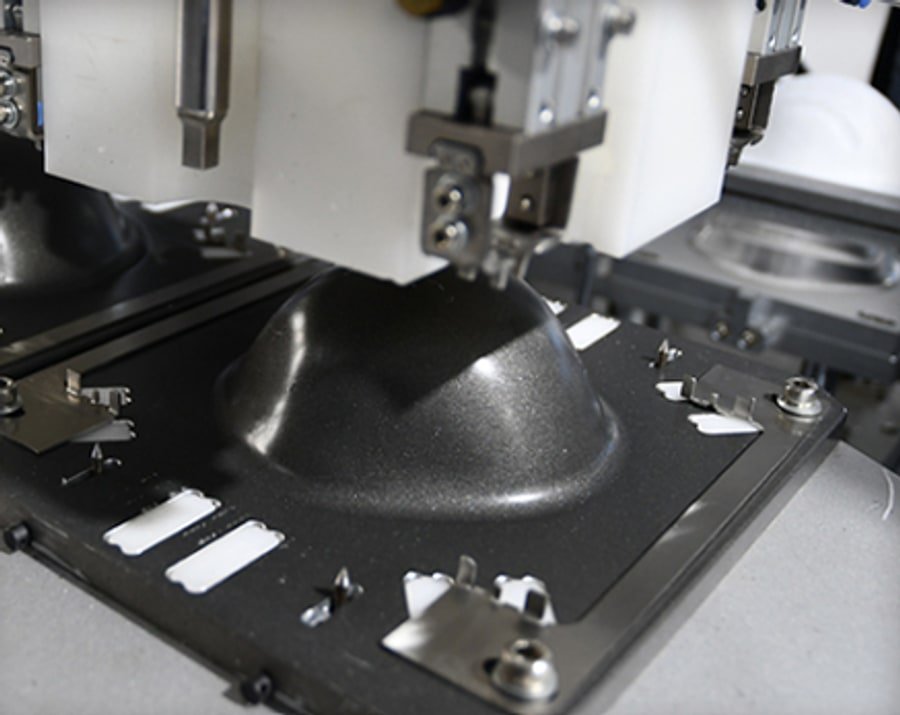
6. Earloop welding unit
For earloop equipment, inspect material feeding, guides, welding position, sensors and the condition of the welding tool. Compare left and right welding points and check whether the earloop material arrives at a consistent position. If one side fails more often than the other, compare the two stations instead of changing both at the same time.
When a new earloop material or mask body is introduced, confirm the sample before increasing the run. Record any change in material, length, position or approved setting. Do not bypass an interlock or reach into the welding area while the machine is active.
7. Conveying, folding, cutting and counting
Conveyors should be checked for material scraps, product accumulation, belt condition, guide alignment and transfer timing. Folding or forming issues may be linked to material width, guide position, tooling alignment or dust. Cutting issues may involve registration, product position or a worn component.
Counting errors can result from blocked sensors, overlapping masks, changing spacing or a mismatch between upstream and downstream speed. Clean and align sensors first, then observe product flow one piece at a time. If packing is part of the project, compare the workflow with the เครื่องบรรจุหน้ากากอัตโนมัติ (Automatic Mask Packing Machine) page and confirm the interface during testing.
8. Sensors, air, electrical and safety checks
Sensor surfaces should be clean and their position should remain stable. Check visible connectors and cable routing only within the operator’s authorization. Air pressure behavior, leaks, voltage fluctuation and protection devices can affect machine operation, so these conditions should be recorded when an alarm appears.
Do not open electrical cabinets, change control parameters or defeat safety devices without qualified authorization. Emergency stops, guards and interlocks are part of the operating boundary. If an inspection reveals exposed wiring, a damaged hose, repeated electrical alarm or unexpected movement, stop the equipment and request technical support.
9. Wear parts and spare-parts inventory
A buyer should ask the supplier which components are considered wear parts for the selected configuration and how they are identified. Possible examples may include belts, cutting components, guides, sensors, welding-related parts, pneumatic fittings or other configuration-specific items, but the actual list must come from the equipment documentation.
Keep part numbers, photos, quantities, purchase dates and replacement records in an inventory sheet. Do not replace a component with an unverified substitute simply because its appearance is similar. A small, documented spare-parts plan can reduce avoidable downtime while protecting the machine from incorrect parts.
10. Maintenance records and downtime prevention
Each entry should include date, machine model, running condition, material, symptom, inspection point, action taken and person responsible. Add photos or samples when useful. Records allow managers to identify repeated adjustments, recurring alarms and parts that need supplier review.
Preventive maintenance should be coordinated with production planning. Schedule checks during an approved stop, prepare tools and parts in advance, and verify the restart process before work begins. Avoid delaying maintenance until a quality problem becomes a production stop.
11. When to contact the supplier
Contact the supplier when a problem repeats after authorized checks, a safety device behaves unexpectedly, welding cannot be stabilized, a machine interface changes, electrical or pneumatic conditions are unclear, or a maintenance task requires internal adjustment. Send the model, symptom, material information, sample photos, alarm message and maintenance history.
A clear support request helps the supplier distinguish a setup issue from a component issue. For a new project, buyers can send equipment requirements through Contact Us and ask what maintenance information, training and spare-parts support are included.
12. Maintenance and line stability
Mask production line stability depends on the whole workflow: material feeding, forming, welding, inspection, conveying and packing. A clean machine can still produce inconsistent results if material specifications, utility conditions or downstream timing are not matched. Maintenance reviews should therefore include the interfaces between machines, not only individual components.
For buyers comparing an automatic mask machine, ask how the supplier defines inspection, operator training, maintenance documentation and technical escalation. Exact responsibilities should be written into the project scope before shipment and confirmed again during installation and acceptance.
Maintenance FAQ
How often should maintenance be performed?
Use the equipment manual, supplier recommendations and actual running conditions to define the schedule. Do not apply an invented universal interval. Separate daily cleaning and observation from authorized weekly or monthly technical checks.
Can operators replace all wear parts?
No. Operators may replace only parts and perform only tasks covered by their training and authorization. Electrical work, internal ultrasonic adjustment and safety-related repairs should be handled by qualified technicians.
What should be recorded after an alarm?
Record the alarm text, time, operating stage, material, recent changes, visible symptoms and action taken. Add a sample or photo when appropriate. This information makes supplier support more efficient.
Does maintenance affect the whole production line?
Yes. Feeding, forming, welding, conveying and packing interfaces can affect one another. A line review should confirm material flow, product spacing, utility conditions and restart checks across the complete workflow.
What should a buyer ask a mask machine supplier?
Ask for the maintenance scope, recommended checks, wear-part identification, documentation, training and technical support process for the selected configuration. Confirm what is included before ordering.
Contact LIAN for maintenance support
Send your mask making machine model, maintenance records, material information and operating questions to LIAN for practical project review. LIAN Machinery supports buyers planning mask production line equipment and maintenance preparation.
Need Help Planning Machine Maintenance?
Share your machine model, production workflow and maintenance questions with LIAN Machinery for quotation and technical support.